Popular Books
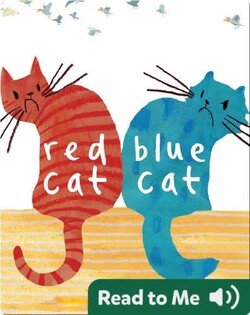
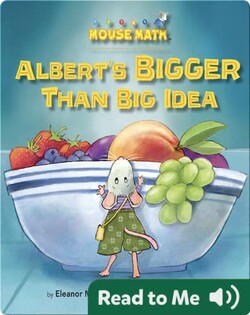
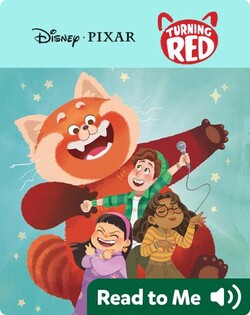
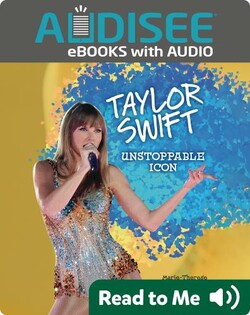
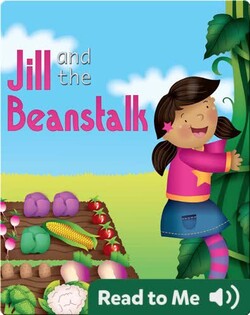
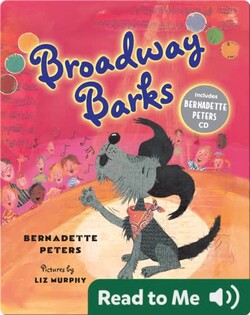
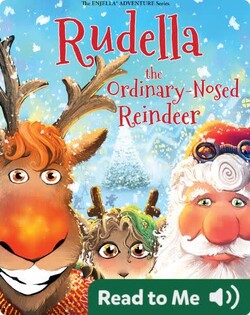
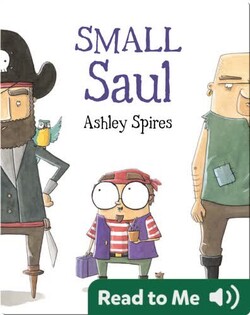
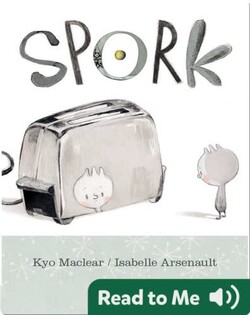

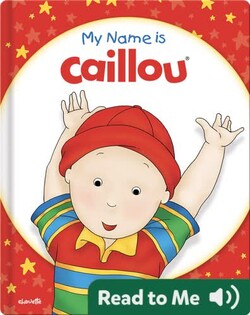
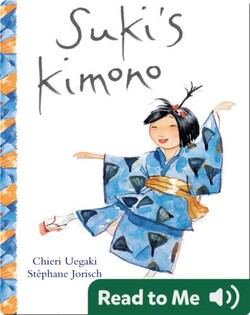
Read-to-me books about identity for kids combine narration with stories that explore family traditions, cultural backgrounds, personal interests and life experiences. As children listen and read along, they encounter characters from a wide range of communities and perspectives, each with their own story to tell. Through realistic fiction, biographies and age-appropriate nonfiction, these books highlight the many influences that shape how people see themselves and connect with the world around them.

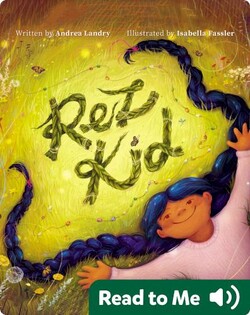
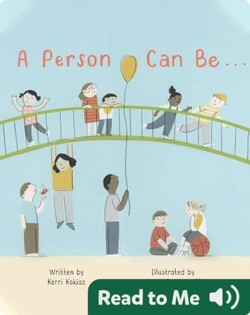
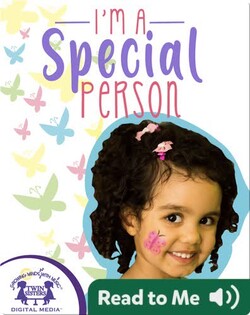
Read-To-Me books about identity are a perfect fit because they pair visual representations of diversity with the comforting voice of a trusted adult. Seeing beautiful illustrations of various skin tones, clothing styles, and family dynamics while feeling secure helps young children form positive associations with differences. This shared experience fosters an early sense of pride in their own identity and curiosity about others.
These books support reading development by expanding a child's vocabulary with rich cultural words, names, and expressive language. As adults point to the colorful pictures and read the text, children learn to map spoken words to visual representations of diverse worlds. The interactive nature of reading aloud also boosts comprehension as kids ask questions about the characters and their unique backgrounds.
Read-To-Me books typically focus on early foundational concepts of self-worth, community, and basic emotional expression. Common stories include characters proudly sharing their unique family trees, embracing their natural hair, or learning to love a name that others find hard to pronounce. They also frequently highlight everyday similarities that connect children from vastly different cultural backgrounds.
Ready to supercharge your child's reading journey? Sign up now for access to 40,000+ popular books, videos and audiobooks.