
The first few weeks of school can be exciting and overwhelming as kids transition from summer back into the classroom. Routines are just beginning to develop, and kids are entering new classrooms with new teachers and new classmates. You may be trying to remember exactly what time everyone needs to get out the door.
During the opening weeks of school, teachers are establishing routines, getting to know students’ strengths and needs, reviewing skills from the previous year and beginning new grade-level work. It’s also a time when teachers may begin to see where students need additional support after the summer.
For parents and educators, that makes the first month an important opportunity to help kids feel comfortable, rebuild reading habits and rediscover their confidence as students.
Kids Need to Feel Like They Belong
A new classroom and new environment can build uncertainty for kids in the first month of school. They may be wondering, Am I doing this right? Where am I supposed to be? Who can I ask for help?
A comfortable learning environment gives children something valuable: enough predictability to focus their energy on learning.
In the classroom, that can mean knowing what happens when they walk through the door, where materials belong, how to ask a question and what reading time looks like. At home, it might be knowing there’s a quiet place to do homework or that someone will be available to talk through a tricky assignment.
The first 30 days of school offer an important opportunity to build relationships so your child feels comfortable enough to ask for help as they adjust to new routines.It also gives educators time to learn more about each child’s reading habits, strengths and needs.

Routines Take Some of the Work Out of Learning
By week three, the excitement of the brand-new schedule may have worn off. This is where routines start doing some heavy lifting.
Between homework and new expectations, children have a lot to remember during a school day. When everyday behaviors become predictable, it becomes easier to regulate and understand what they need to achieve their goals. Starting small and creating structure can help kids build a reading habit, whether that means reading together after school or setting aside a few dependable minutes for independent reading.
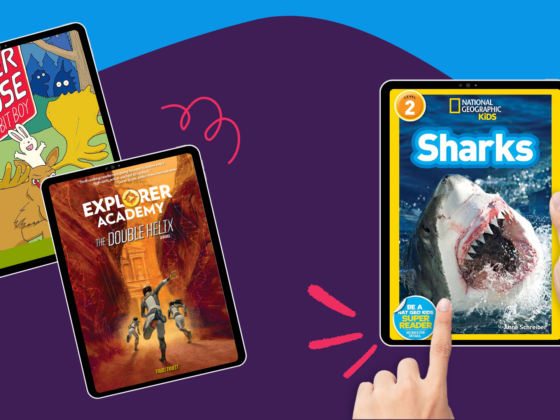
Epic’s emphasis on small, consistent reading moments can help parents manage and plan reading time. A reading timer encourages at least 5 minutes of reading each day. Kids can earn badges for consistency and parents can easily track reading time in their dashboard. All of this helps families establish a routine that’s sustainable throughout the school year. And when kids have control over what they read, the routine can feel less like another assignment and more like something that belongs to them.
Pay Attention Before the Report Card Arrives
Once the school year starts, it can be hard to keep track of progress at school. Last minute projects, after-school practices and keeping your child prepared in the morning can make it difficult to watch for the little things.
That’s when learning tools can be your best friend!
Setting your child up with Epic can give them independent reading time after school to reinforce reading habits and explore topics they’re learning about in class. Parents can help guide their child’s reading experience by sharing books they think they’ll love.
Building reading practice into the first few weeks can help make it a natural part of the school-year routine!
Celebrate Progress, Not Perfection
The first month of school can be stressful for everyone. Children will miss an assignment, forget school supplies at home or struggle to adjust to new material.
Remember to celebrate the small victories and build an environment where your child feels safe to try new things. Progress can take time, especially as kids adapt to new environments and new grade levels, encountering material that will challenge them.
A whole school year can’t be mastered in one month. Patience, a safe environment and routines help children build the skills and confidence to push themselves and overcome obstacles.

Back to School is an opportunity to watch, learn and adapt to children’s needs while building habits that can support them throughout the year.
Learn Together
Ready to help your child start the school year with a reading routine that sticks? Let them choose something that catches their eye and make a few minutes of reading a part of their daily routine. Explore Epic together and get 25% off for back to school, plus seven days free!
Frequently Asked Questions
▶ How can I tell if my child is struggling with reading at the beginning of the school year?
Watch for small changes, like avoiding reading, becoming frustrated with homework or suddenly saying books are “too hard.” The first few weeks give parents and teachers time to notice these patterns before the first report card arrives. If you’re concerned, check in with your child’s teacher and ask what they’re seeing during reading time at school.
▶ Does summer learning loss affect reading skills?
After a long summer away from regular classroom routines, some kids may return to school needing time to refresh skills and rebuild learning habits. That doesn’t mean they need to “catch up” overnight. Consistent reading practice, supportive routines and books that match their interests can help kids ease back into reading and build confidence as the new school year gets underway.
▶ What are some tips for helping kids adjust during the first few months of school?
Give kids time to settle in and keep things simple at home. A consistent bedtime, a few minutes of reading and time to unwind after school can go a long way. And don’t forget to celebrate the little wins, remembering their library book absolutely counts.