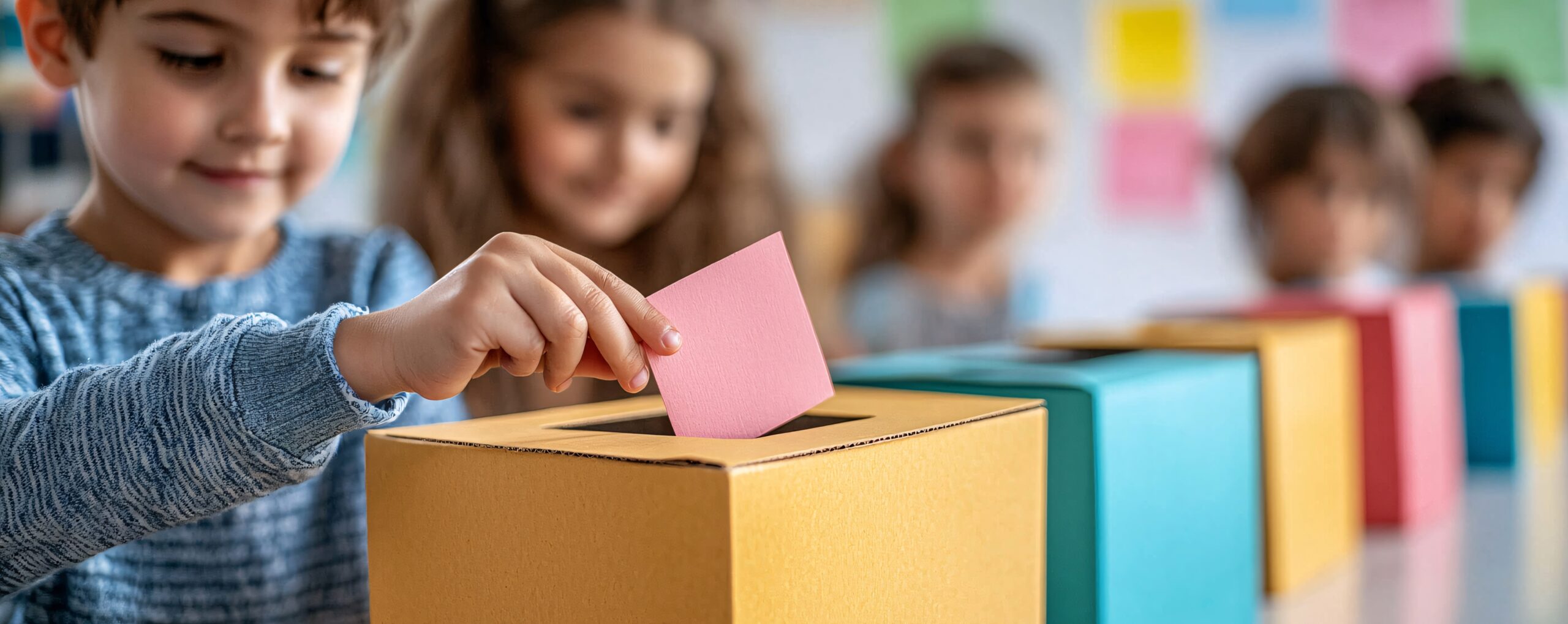
Ever watched a group of kids try to agree on a game at recess? One child wants tag. Another wants soccer. Someone suggests a vote, and suddenly everyone has an opinion.
That’s democracy in action. Well, one small piece of it!
Big ideas like government, elections and civic responsibility can feel abstract to kids. But ideas like fairness and teamwork? These are things they experience and understand every day.
These books about democracy help young readers connect everyday experiences to bigger ideas about voting, leadership and citizenship. Whether you’re introducing civics at home or planning a classroom lesson, there’s something here to get kids thinking.
10 Books About Democracy for Kids
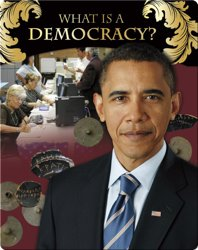
1. What Is a Democracy? by Susan Bright-Moore
Best for: Introducing the concept of democracy
What does democracy actually mean? This kid-friendly introduction helps young readers understand how democratic governments work and why citizens have a say in important decisions.
It’s a great starting point for children who are just beginning to learn about government and citizenship.
Talk about it: What decisions do you think people should get to vote on?
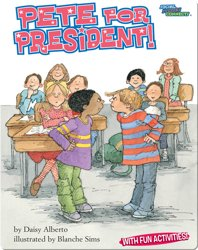
2. Pete for President by Daisy Alberto
Best for: Elections and leadership
Pete and Joey are best friends until they both decide to run for class president!
As they compete for votes, they discover that winning an election takes more than speeches, posters and campaign promises.
This relatable story introduces children to elections, exploring themes like friendship and competition while looking at what it takes to be a good leader.
Talk about it: What qualities do you think make someone a good class president?
3. President and Cabinet by Katherine Krieg
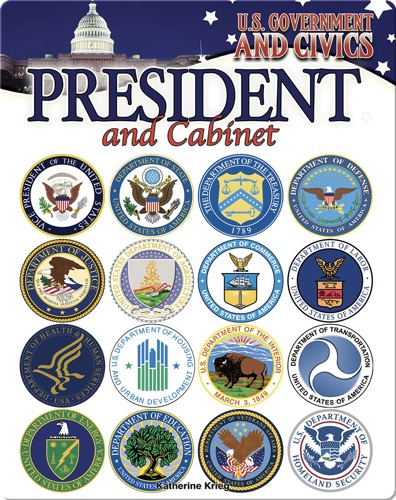
Best for: Learning what the president does
What does the president actually do? And why is the job so important?
This kid-friendly nonfiction book introduces young readers to the role of the U.S. president and the responsibilities that come with leading the country.
It’s a great way to help kids understand what happens after an election and what it means to choose someone to serve as president.
Talk about it: What do you think is the most important responsibility of the president?
4. Why Does Democracy Matter? by Jessica Pegis
Best for: Voting and representation
Why should people have a say in their government?
This accessible introduction encourages young readers to think about the importance of democratic participation, citizens’ rights and shared responsibilities.
It’s a natural next step for kids who already understand the basics of voting.
Talk about it: Why is it important to listen to people who have different opinions?
5. Missy President by Randi Zuckerberg and Natasha Lewin
Best for: Inspiring future leaders
When fourth grader Missy’s homework assignment goes viral, she suddenly finds herself in the spotlight. But could her newfound fame lead to a future in politics?
This entertaining story introduces kids to the world of politics while encouraging them to think about the qualities they should prioritize in a leader. Do you go with who’s popular? Or do you go with who’s right?
Talk about it: Would you vote for someone because they’re popular or because you agree with their ideas?
6. A Kid’s Guide to the Voting Process by Tammy Gagne
Best for: Learning how voting works
What happens when someone casts a ballot? How are votes counted? And why do elections matter?
This introductory book helps make the voting process easier for young readers to understand.
It’s especially useful for kids who are curious about what grownups do on Election Day.
Talk about it: Create a pretend ballot and let everyone vote on your next family movie!
7. The Voice That Won the Vote by Elisa Boxer
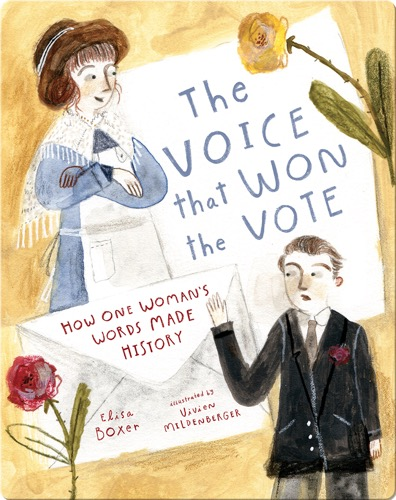
Best for: Voting rights and history
One letter helped change history.
This picture book tells the story of Febb Burn, whose words influenced her son’s pivotal vote in favor of women’s suffrage in Tennessee in 1920.
It’s a reminder that ordinary people can make a difference and that voting rights have an important history.
Talk about it: How can one person’s voice help create change?
8. Citizens Vote in a Democracy by Nancy Anderson
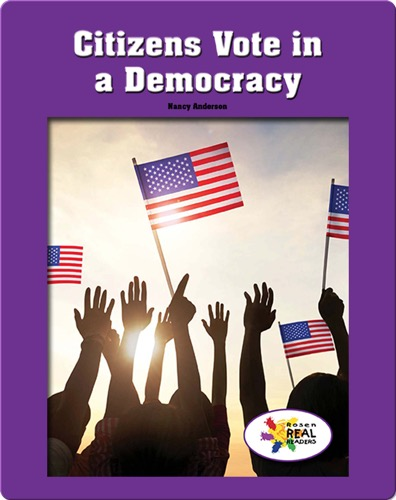
Best for: Citizenship and voting
Why is voting such an important part of democracy? And how does it give people a say in their communities?
This kid-friendly nonfiction book explores why citizens vote and the role people play in choosing their leaders.
It’s a great pick for helping young readers understand that voting isn’t just about picking a winner. It’s about making their voices heard.
Talk about it: What issues would matter most to you in an election?
9. What Are the Levels of Government? by Baron Bedesky
Best for: Understanding the three branches of government
When kids hear “government,” they might picture the president or the White House.
But government is much closer to home!
This informative book introduces the different levels of government and helps readers understand how responsibilities are shared.
Talk about it: Who makes decisions about your local parks, schools and roads?
10. Electing Leaders: A Citizen’s Guide by Wil Mara
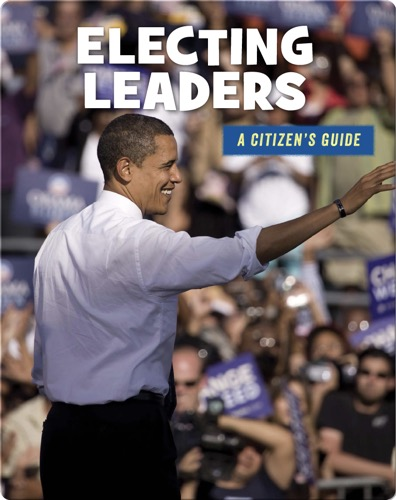
Best for: Representation and responsibility
What does it mean to choose someone to represent you?
This book introduces readers to the idea of electing leaders who make decisions on behalf of their communities.
It’s a useful way to start conversations about trust, responsibility and leadership.
Talk about it: What three qualities should every good leader have?
Fun Civics Activities for Kids
Reading about democracy is a great start. Practicing some of these ideas can make them even more meaningful.
Hold a mini election. Let kids nominate their favorite read-aloud books, share why they chose them and cast secret ballots. Count the votes together and discuss the results.
Create community rules. Ask kids to imagine they’re starting a new classroom or club. What rules would they make? Have everyone suggest ideas and vote on their favorites.
Make a difference. Encourage kids to identify something they’d like to improve in their community. Maybe it’s cleaning up a park or adding more books to the classroom library. Brainstorm one small action they can take.
Explore More Civics Books for Kids on Epic
Democracy doesn’t have to start with a complicated lesson about government.
These books about democracy help kids explore big ideas through stories they can understand.
Explore more books about voting, government and citizenship on Epic and help your young reader discover how they can make a difference!
▶ What is democracy in simple terms for kids?
Democracy is a form of government where people have a say in how they’re governed. Citizens can vote for leaders, express their opinions and participate in decisions that affect their communities.
▶ How do you teach democracy to elementary students?
Start with familiar experiences, like voting on a classroom activity or making group decisions. Books about democracy, mock elections and discussions about fairness can help kids understand civic concepts in relatable ways.
▶ Why is learning about democracy important for kids?
Learning about democracy helps kids understand their rights, responsibilities and the importance of participating in their communities. It also encourages critical thinking, respectful discussion and an appreciation for different perspectives.