Every child connects with books differently. Some love getting lost in a long adventure, while others gravitate toward graphic novels or books full of fascinating facts that grab their attention.
For some kids with ADHD, staying focused on a book can be challenging. But that doesn’t mean they can’t become enthusiastic readers! Finding stories that match their interests, or simply exploring different ways to enjoy them, can make reading a more engaging and rewarding experience.
Sometimes, even a small change in format, routine or reading environment can open up new ways for kids to connect with books.
Why Can Reading Be Challenging for Kids With ADHD?
ADHD can affect attention, working memory and self-regulation, making it harder for some children to follow a story or remember what they’ve read. Others may have no trouble focusing when a book captures their interest.
For UK literacy charity BookTrust, educator and ADHD advocate Soli Lazarus writes: “Reading does not have to be a dry book or text. It is whatever motivates, instructs, or engages. Find out what works for the young person you work with or care for. If they’re given a choice of format or genre or device, they will feel empowered to discover for themselves what they enjoy.”
That perspective matters when it comes to reading. Instead of focusing on what your child struggles with, look for ways to build on their strengths, interests and curiosity.
7 ADHD Reading Tips to Help Kids Love Books
1. Let Their Interests Lead the Way
Whether your child loves dinosaurs, outer space or weird animal facts, start with topics they’re already excited about.
Choosing books that reflect their interests can make reading feel more personal and enjoyable. Give them the freedom to explore what catches their attention.
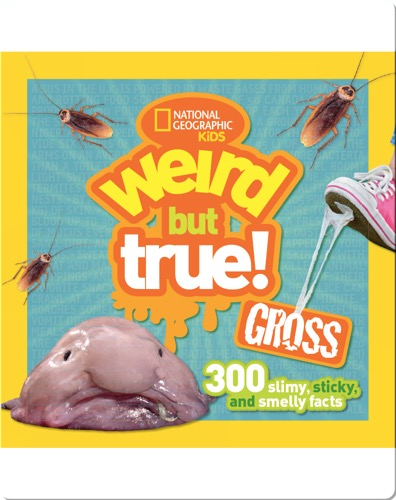
Try on Epic: Weird But True! Gross: 300 Sticky, Slimy and Smelly Facts from National Geographic Kids is full of icky, wacky and downright disgusting facts that kids won’t believe are actually true!
2. Give Graphic Novels a Chance
Sometimes looking at words all day can be exhausting. That’s why there’s something about a good graphic novel that makes it impossible to put down.
Research shows that visual story cues can support storytelling and comprehension skills in children with ADHD.
Illustrations and snappy dialogue add so much personality to a story, giving kids plenty of things to notice and talk about as they read.
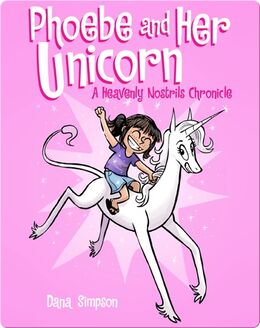
Try on Epic: Phoebe and Her Unicorn follows a young girl and her hilariously dramatic unicorn best friend as they navigate everyday adventures together.
Read more graphic novels on Epic!
3. Keep Reading Sessions Short
Reading doesn’t have to mean sitting quietly for 30 minutes.
For some kids with ADHD, five or ten minutes with a good book can feel more manageable than a long reading session.
Reading Rockets, a literary nonprofit that provides research-based reading strategies to parents and educators, recommends keeping reading sessions short. Try reading a few pages after breakfast or sharing a short story before bed. If your child wants to keep going, great! If not, you can always return to the book later.
The goal is to make reading something they look forward to, not another task to finish.
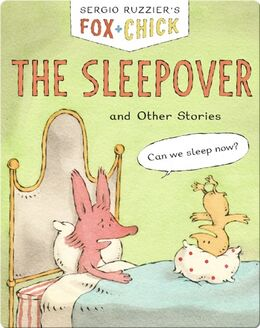
Try on Epic: Fox + Chick: The Sleepover follows two unlikely friends through three funny, short stories that are perfect for a quick reading session
4. Explore Audiobooks and Read-to-Me Stories
Audiobooks are a great way for kids to get swept up in a good story. Some children enjoy listening while drawing or building with blocks, while others prefer following along with the text.
Read-to-Me books offer another way to enjoy stories, with narration and highlighted words that help kids connect spoken and written language.
Epic’s audiobook and Read-to-Me collections give kids the freedom to enjoy stories in whatever way works best for them.
5. Create a Reading Space That Works for Them
Some children focus best in a quiet corner, while others feel more comfortable curled up on a beanbag, stretched out on the floor or even standing while listening to a story.
Try experimenting with different spots around the house and let your child have a say in where they read. You might just discover that their favorite reading spot isn’t a desk or a cozy chair, but the living room rug!
6. Make Reading Interactive
If your child has trouble staying engaged, invite them to become part of the story.
Ask what they think will happen next. Let them act out a scene, draw a favorite character or explain something surprising they learned.
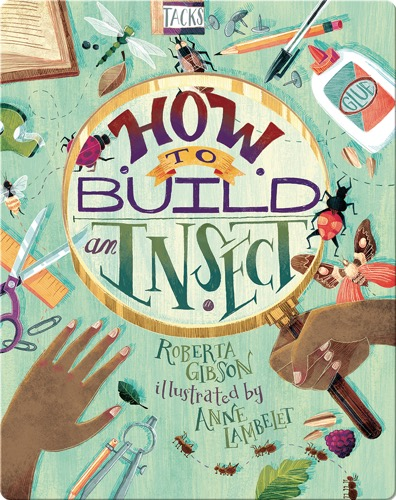
Try on Epic: How to Build an Insect by Roberta Gibson combines nonfiction reading with hands-on exploration. It’s a great way to connect books with real-world curiosity.
7. Celebrate Small Reading Wins
Whether your child finishes three pages, discovers a new favorite character or asks to hear the same story again, those little moments are worth celebrating!
Rather than focusing on how many books they finish, show some excitement for the little ways kids express their curiosity. After all, five happy minutes with a book today might be just what makes them want to pick it up again tomorrow.
Help Your Child Find Their Next Favorite Book
Reading with ADHD doesn’t have to look the same for every child. Some kids love graphic novels. Others prefer fascinating facts, funny stories or listening to books while they move.
What matters is helping your child discover that reading can be enjoyable on their terms.
Ready to find a story they’ll love? Explore books, graphic novels and audiobooks on Epic, and help your child discover a new favorite today!
▶ How can I help my child with ADHD focus on reading?
Start with books that match their interests, reduce distractions when helpful and allow movement breaks. Experiment to find what works best for your child.
▶ What types of books are good for kids with ADHD?
Graphic novels, illustrated nonfiction, joke books and short stories may appeal to some children. The best choice is one that captures your child’s interest and suits their reading abilities.
▶ Can audiobooks help kids with ADHD?
Yes! Audiobooks can make stories more accessible and enjoyable, especially for children who find sustained print reading challenging. They’re a useful complement to reading practice.