Helping your child stay on track with reading is easier than you think—with a little help from Epic.
The new school year just started—and for many teachers, the first question they’re asking is: Is this child on track with reading, and what reading readiness tips can help if they’re not?
It’s a big question. And the truth is, a lot of kids are entering classrooms already behind. According to recent surveys, only about half of kindergarten students are meeting kindergarten reading levels. And in first grade, the two areas where teachers see the most struggle? Phonics and decoding (61%) and phonological awareness (58%).
So what exactly does that mean—and how can families help without turning the living room into a classroom?
Let’s break it down together.
The Core First Grade Reading Skills That Really Matter (Yes, Even Rhyming “Cat” With “Hat”)
If you’re not a teacher, identifying when your child needs phonemic awareness help and decoding exercises might sound…well, a little intimidating. But here’s the good news: You don’t need an education degree to understand what teachers are looking for and the basics of how to teach phonics to your kid.
Most educators now lean on something called the Science of Reading, an evidence-based approach reading apps for kids (like Epic!) are built around:
- Phonemic Awareness: Can kids hear and play with sounds? (Think: rhyming “dog” with “frog” during a silly car ride.)
- Phonics: Are they connecting letters and sounds to read words? Like seeing “m-a-p” and saying “map!”
- Fluency: Can they read simple sentences smoothly? (This is where Epic’s Read-To-Me books shine—kids hear real humans read aloud, modeling the rhythm of fluent reading.)
- Vocabulary: Are they picking up new words in context? On Epic, kids can tap any tricky word to see a definition using Dictionary Lookup. (It’s like having a built-in helper!)
- Comprehension: Do they actually understand what they read? That’s why many Epic books include fun quizzes at the end—to check understanding in a low-pressure way.
These are the building blocks of reading success. And the great part? They show up everywhere—in reading books for beginners, bedtime stories, snack-time rhymes and spontaneous spelling bees in the backseat.
Inside the Classroom: What First Grade Reading Skills Teachers Are Looking For
Imagine this: A group of first graders is reading short nonfiction books for kids about baby pandas.
Here’s what their teacher might be watching for (and are good reading tips for parents):
- Can they hear and clap the syllables in a word like “elephant”?
- Do they recognize sight words like “the,” “said” or “baby” in leveled readers?
- Can they decode a sentence like “The cub runs” without guessing?
- Are they excited to retell what happened to the baby panda in the story?
- And our personal favorite: Do they ask for more books and fun reading activities—especially when familiar faces like Elmo or Pete the Cat show up?
That’s how teachers know: this reader is growing.
Reading Tips For Parents. What You Can Do at Home (No Flashcards Required)
You don’t need to recreate a classroom at home. But a few small habits can go a long way. Here’s what we suggest:
- Read together for 10–20 minutes a day. Reading apps for kids make this easy with a library of books to choose from. For example, Epic has tons of great starter titles, from ebooks for kids to engaging audio books for kids that model the proper reading skills. These are perfect if you’ve ever wondered, “How do I help my kid read with more confidence?”.
1. Erin and Her New Pet: The Sounds of Short E
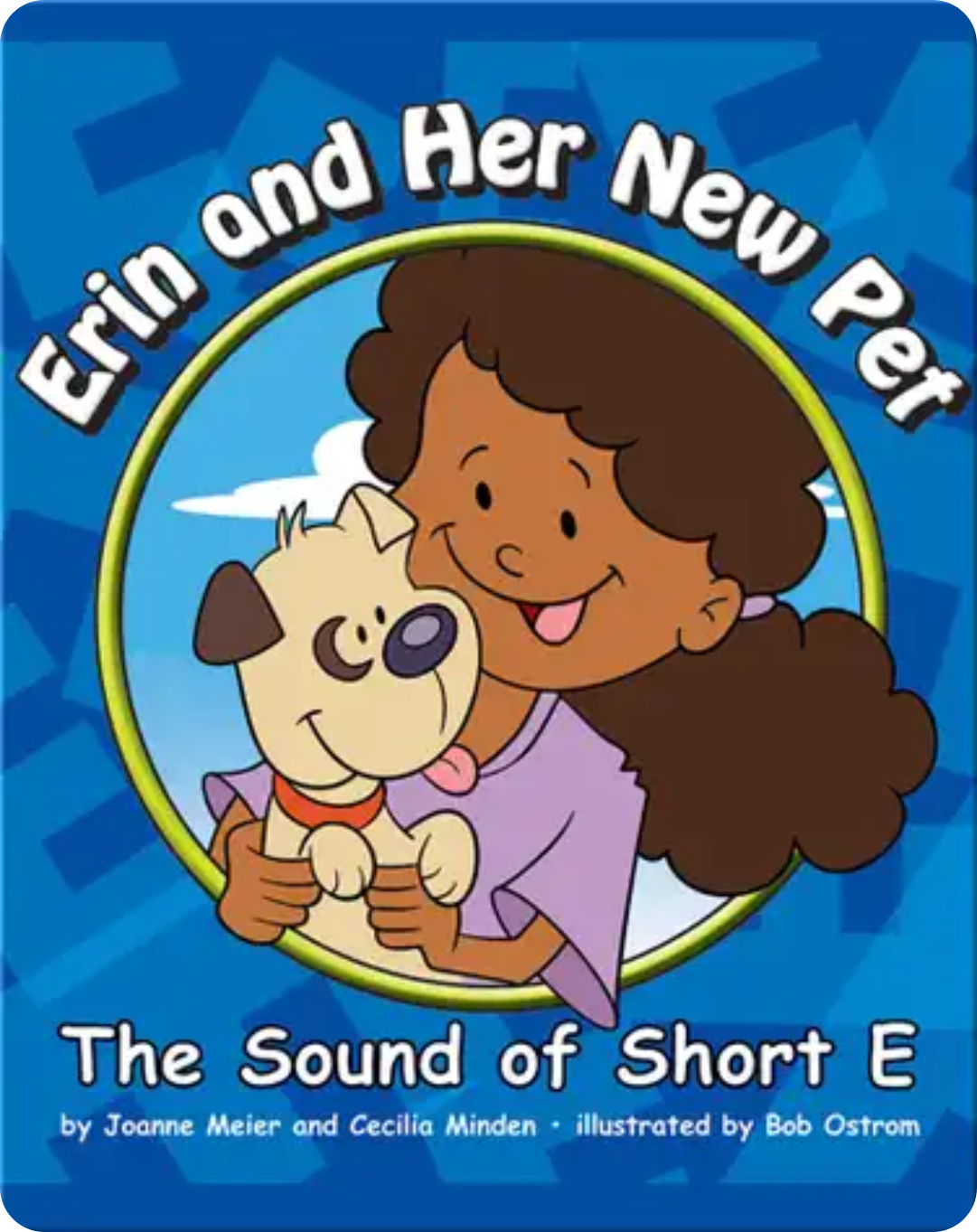
Author: Joanne Meier
Illustrator: Bob Ostrom
Read time: 5-20 mins
Learn about the sound of the short E, as Erin and her new puppy Penny explore the neighborhood.
2. Fran and Fay a Bird: The Sound of F
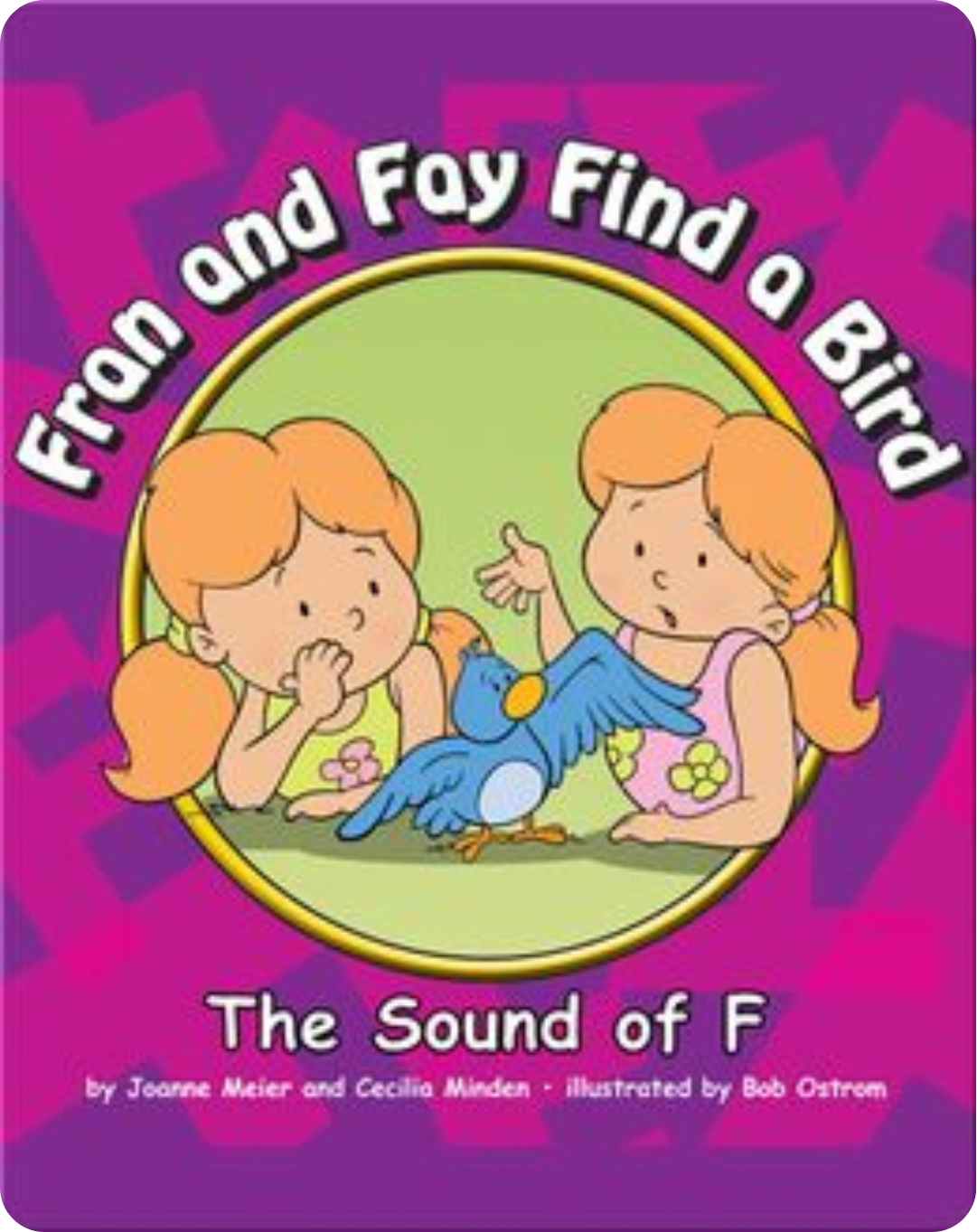
Author: Joanne Meier
Illustrator: Bob Ostrom
Read time: 5-20 mins
Learn about the sound of the letter F, as five-year-old friends Fran and Fay ask Dr. Fem to help them fix an injured bird’s wing.
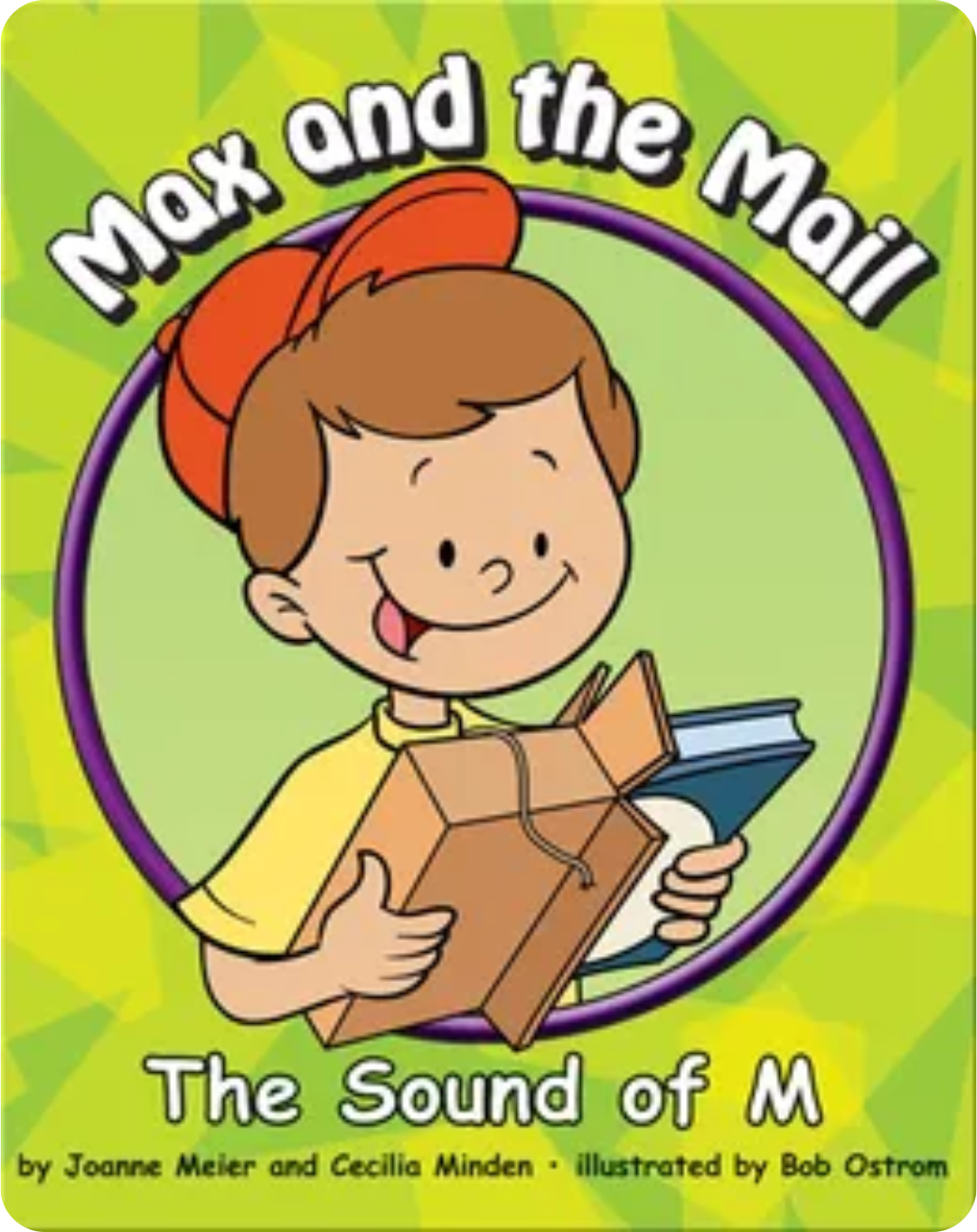
3. Max and the Mail: The Sound of M
Author: Joanne Meier
Illustrator: Bob Ostrom
Read time: 5-20 mins
Learn about the sound of the letter M, as Max receives a book about the moon in the mail and reads it with his mother.
- Make it playful. Ask questions like, “What rhymes with ‘fish’?” or “What sound does ‘penguin’ start with?”
- Let them lead. If your child wants to read “Meet a Baby Hippo” for the fifth night in a row, treat it like one of your nightly bedtime stories to read—repetition builds confidence.
- Talk about the story. After reading, ask: “Why was the baby koala scared? What helped it feel better?”
These simple conversations help develop comprehension—and show your child that you’re listening.
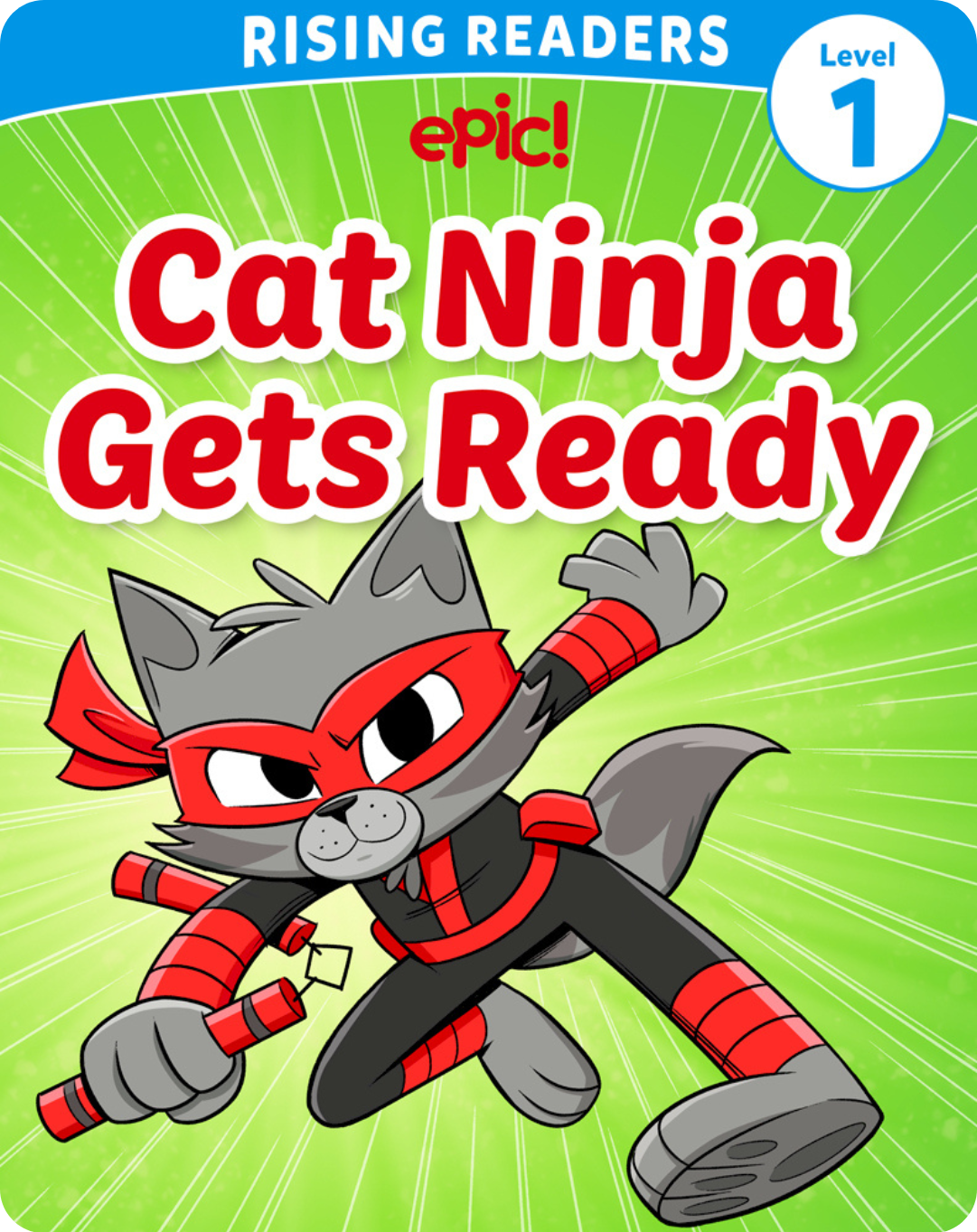
You can also check out the new Rising Readers series—it’s full of fun stories starring familiar Epic Originals characters your child already loves, like Cat Ninja, Kitten Ninja and Kitty and Dragon.
Questions to Ask Your Child’s Teacher
Are you asking yourself: is my child reading okay or even, is my child behind in reading? Teachers are your best allies, and strong parent teacher collaboration reading can make all the difference. Here are a few questions for teacher reading progress that can open up a great conversation:
- “Which reading skills are most important for my child right now?”
- “Are they having any trouble with phonics or comprehension?”
- “Do you recommend any books we can read together at home?”
- “What signs should I look for to know they’re making progress?”
These aren’t just school-year questions—they’re partnership builders.
Growing a Reader, Together
Here’s the truth: You don’t have to be a teacher to use reading readiness tips that help your child become a reader.
You just have to show up—with a book, a question, and a little curiosity.
That first story about a baby penguin? Or a goofy rhyme about Big Bird’s favorite snacks? That might be the spark.
Let your child giggle through the Read-To-Me version on one of the best educational apps for kids. Let them point out the word “cub” five times in a row. Let them guess what happens next.
That’s how readers grow—one joyful page at a time.
*Save 25% on an annual subscription. Promo ends September 21, 2025.