Not All Monsters Go “Boo”
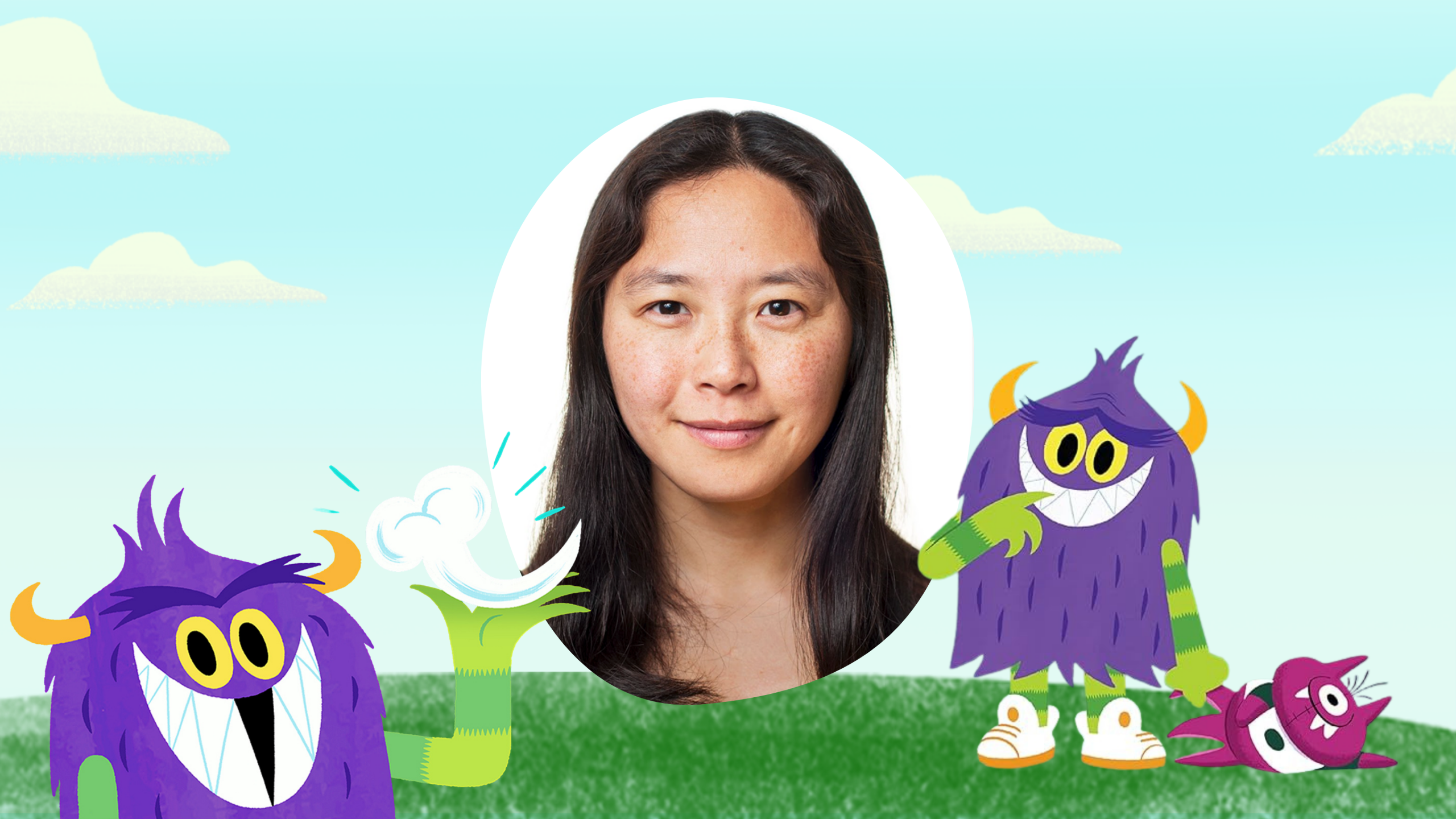
When I started writing the Scaredy Monster picture book series eight years ago, I wanted to give kids a character who wasn’t afraid to be…well…afraid. Scaredy Monster isn’t a scary monster — in fact, he’s the opposite. He’s got fuzzy purple fur, he loves warm hugs and he doesn’t sleep at night without his stuffed Teddy Monster.
He’s also going through some first experiences in his life that can feel downright terrifying. Losing a tooth. Going to the doctor. Learning to swim. Scaredy Monster has to navigate some big moments—and it’s understandable that they also come with some big feelings.
Fear Isn’t the Villain—It’s the Journey
Fear is a huge part of every Scaredy Monster story. In a lot of ways, it’s the main antagonist — a force that frightens and paralyzes, causing our young hero to doubt his own resilience. But with the help of a supportive community, Scaredy Monster overcomes his fears and learns that experiencing new things can be scary—but they can also be really fun as well!
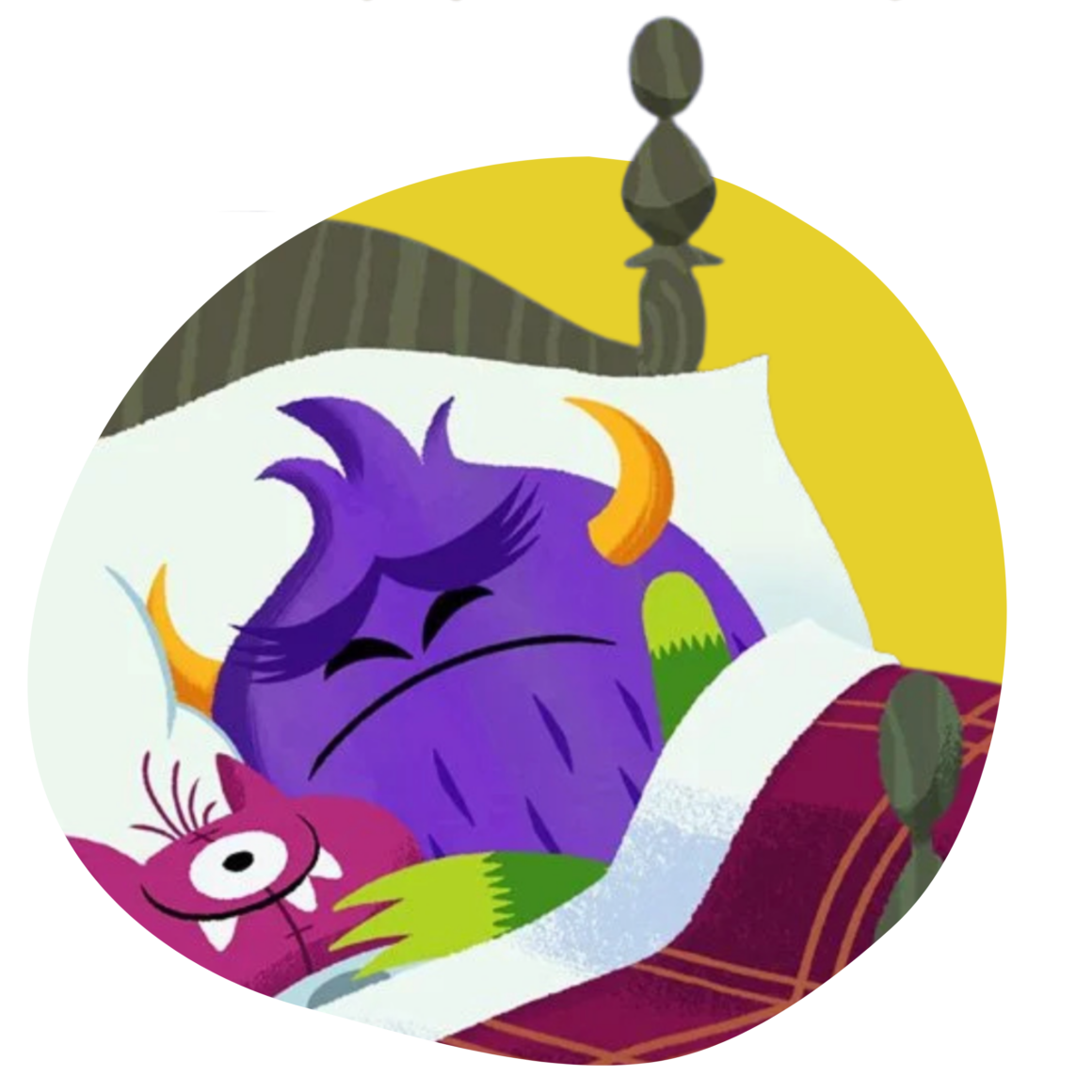
What’s important about this series is that Scaredy Monster’s fear isn’t minimized. It’s acknowledged. It teaches kids that it’s perfectly okay to be apprehensive of what they don’t know, while also giving them the tools and the language to explore the unknown. Telling a child not to be scared isn’t enough. They need to know why they shouldn’t fear the doctor or big thunderstorms. Explanations are empowerment.
When it comes to helping a small child through a tough situation, I take the opposite tack of Nike’s motto. “Just do it” isn’t enough of a reason. It’s as opaque and unsympathetic as a parent saying, “Because I said so,” without any further context. It can be exhausting talking to a child about the reasons why they should be brave. But in the end the exhaustion is worth it because it means that a child is doing something not as an order to follow blindly, but from a point of understanding.
How Books Help Kids Practice Bravery (One Step at a Time)
Each Scaredy Monster story is about emotional growth and follows a general narrative arc. Scaredy Monster is confronted with a new experience, and, naturally, he’s worried. He approaches the experience with an increased sense of dread, until his feelings come to a head and he has what can only be described as an utter emotional meltdown. Readers are meant to feel the depths of his desperation and fear. They need to be in that black hole of existential kid nihilism in order for the relief of being pulled out of it to resonate.
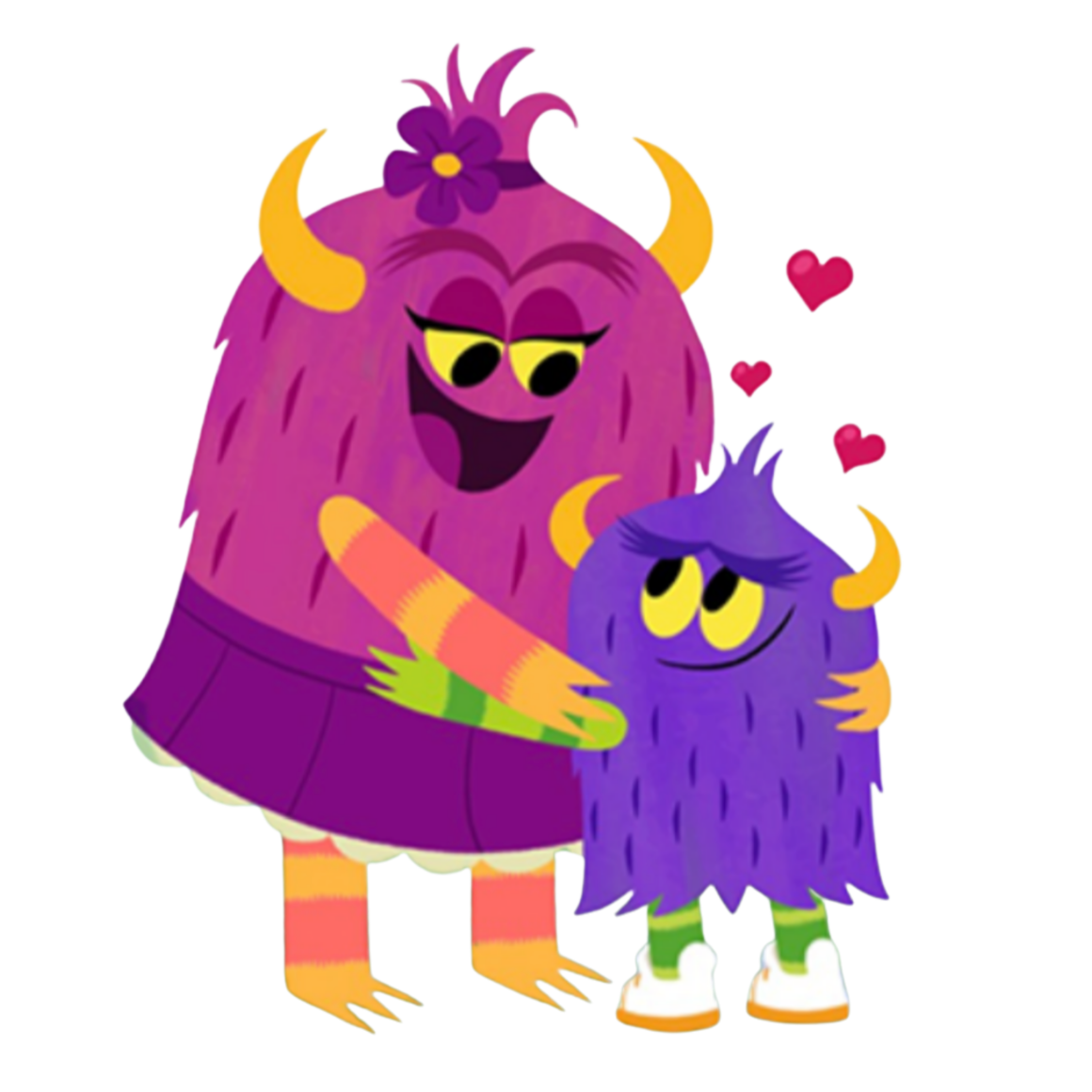
As important as fear is to the series, so is the overcoming of it. When Scaredy Monster has his meltdown, his mom (or grandparent or friend) is usually right there to tell him that it’s natural to be scared. But they go beyond that. Instead of taking him out of the situation, they give him the tools to move through it. They encourage him to take deep breaths. Focus. Practice bravery in small steps. These aren’t tools for just one specific instance. They are coping mechanisms for fear itself, something to be used for any anxiety-laden experience.
When Kids See Themselves in a Fuzzy Monster
My three-year-old daughter loves Scaredy Monster, and often asks that I read multiple stories in one sitting. She’s usually very engaged during the beginning and middle, but it’s at the end where I see the biggest reaction from her. She loves to see Scaredy Monster overcome his fear in a joyous, exhilarating way. She’s cheering him on, and in that moment when he triumphs—whether it be learning to ride a bike or cannonballing into a pool after learning how to swim—she shares in his excitement.
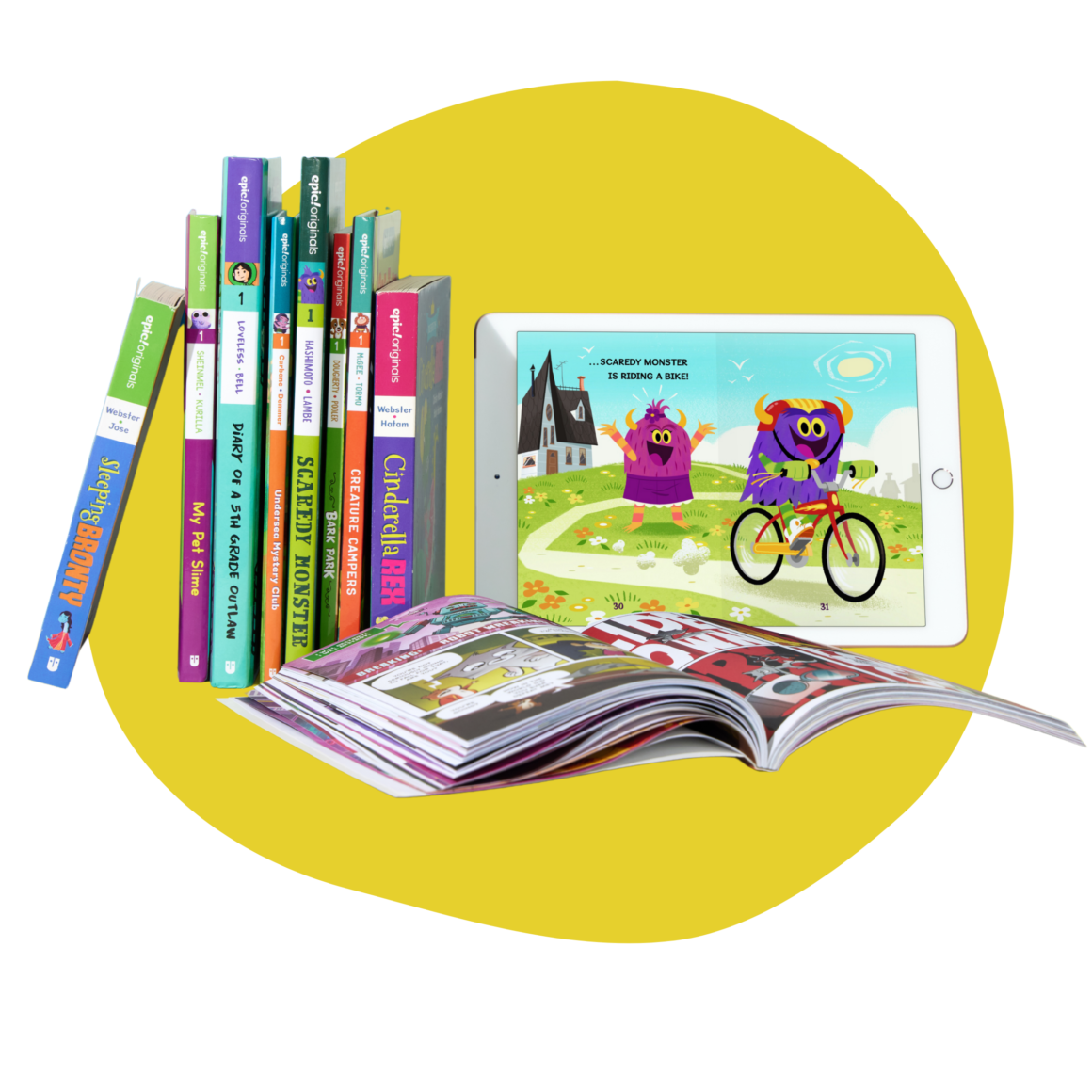
When it comes time for her to learn those skills, I hope she remembers and uses the tricks Scaredy Monster has learned in his own world.
Bravery Is a Skill, Not a Trait
My hope is not only for my daughter. It is for every kid navigating the newness of everyday life. The world can feel big and scary. But with the guidance of a not-so-scary monster, I like to think I’m helping kids to step foot bravely into this world, fear tamed, to discover the wonders of trying new things.
About the Author
Meika Hashimoto is the Editorial Director for Epic Originals. After graduating from Swarthmore College, she worked in the mountains before taking a job as a children’s book editor. She is the author of The Trail, The Magic Cake Shop, Scaredy Monster, Kitty and Dragon, and Animal Rescue Friends.

Frequently Asked Questions
▶ What age range is the Scaredy Monster series written for?
The Scaredy Monster series is designed as an illustrated early reader for children approximately ages 4 to 8, helping them explore common fears and first experiences while building emotional understanding.
▶ How does Scaredy Monster approach fear?
Fear is treated as a natural and important part of the story. It is acknowledged rather than minimized and shown as something that can be moved through with understanding, support, and practice.
▶ Does the series tell kids to “just be brave”?
No. The stories take the opposite approach by explaining why something feels scary and offering tools that help Scaredy Monster understand and work through his fear rather than ignoring it.
▶ What is the overall message of the Scaredy Monster series?
The series shows that bravery is a skill that can be learned and practiced, and that feeling scared does not mean something is wrong.
▶ How do I start reading the Scaredy Monster series?
Families can start reading Scaredy Monster online by visiting www.getepic.com, where the series is available as digital picture books. You can try Epic for free to explore the stories together and see how Scaredy Monster helps kids navigate fear one brave step at a time.