
Epic
Parents
Educators
Class Code
Log In
Sign Up
Sign Up
Epic is the leading digital reading platform—built on a collection of 40,000+ popular, high-quality books from 250+ of the world’s best publishers—that safely fuels curiosity and reading confidence for kids 12 and under.
 
EPIC
Epic OriginalsBooksGiftsRedeem Gift
FOR EDUCATORS
Epic SchoolAdmin PortalEducator ResourcesSchool Privacy Promise
ABOUT
About EpicCareersPressBlog
CONTACT US
Help & SupportPress InquiriesPublisher Inquiries
EPIC
toggle accordion
Epic OriginalsBooksGiftsRedeem Gift
FOR EDUCATORS
toggle accordion
Epic SchoolAdmin PortalEducator ResourcesSchool Privacy Promise
ABOUT
toggle accordion
About EpicCareersPressBlog
CONTACT US
toggle accordion
Help & SupportPress InquiriesPublisher Inquiries
DOWNLOAD EPIC
Download it on the app store!
Download it on Google Play!

© Copyright Epic Kids Inc. All rights reserved.

Terms & Conditions

Privacy Policy

Science & Nature videos Books For Kids

Videos about science and nature for kids bring scientific concepts and natural phenomena to life. Through real-world footage and demonstrations, children can watch the processes, patterns and events that shape the world around them.
Try Epic for Free

Popular Books

Jonathan Bird's Blue World: Great White Shark Adventure!
A Tour of Aquarius Reef Base
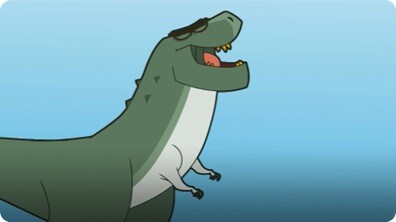
I'm a Daspletosaurus
I'm a Chimpanzee
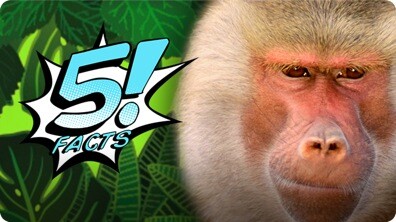
5 Facts About BABOONS You'll Go Bananas For | 5 FACTS
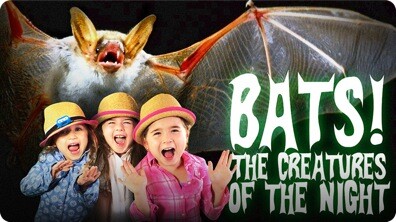
Bats for Kids | All About Bats | Bats: The Creatures of The Night
Spectacular Sharks
Underwater Adventure! What can YOU See?
Bettong Rehome
I'm a Bear
Stranded Pilot whale rescued by volunteers!
Retained Shed Removal and Prevention!
When SHARKS ATTACK! The Great White Shark - All About Sharks for Kids
Great White Shark Encounter
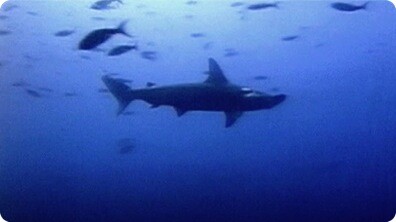
Learn About Sharks for Kids | Fun Facts About Hammerhead Sharks!
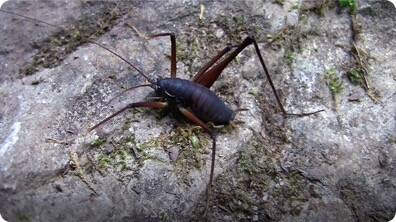
Bugs of the Caves!
I'm a Bee
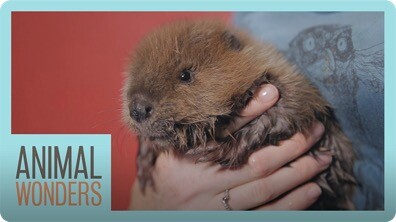
Baby Beaver!

New Releases

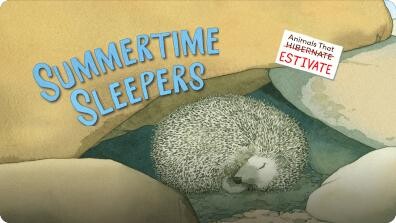
Summertime Sleepers
Amazing Animals: Tapirs
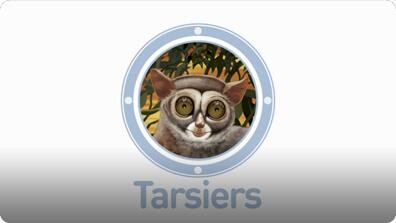
Amazing Animals: Tarsiers
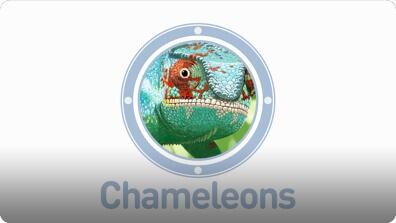
Amazing Animals: Chameleons
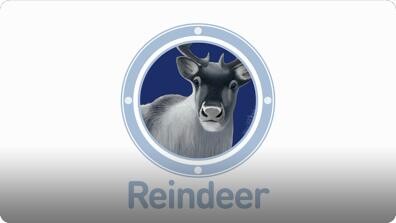
Amazing Animals: Reindeer
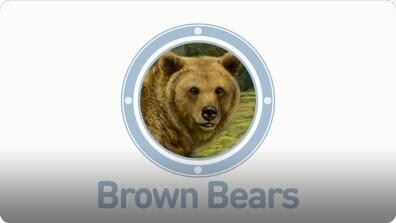
Amazing Animals: Brown Bears
Amazing Animals: Pandas
Amazing Animals: Manta Rays
Amazing Animals: Dolphins
Amazing Animals: Emperor Penguins
Amazing Animals: Scops Owls
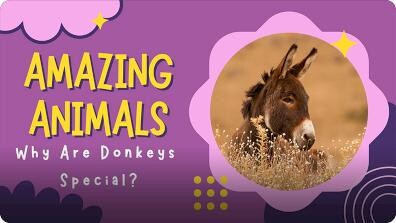
Amazing Animals: Why are Donkeys Special?
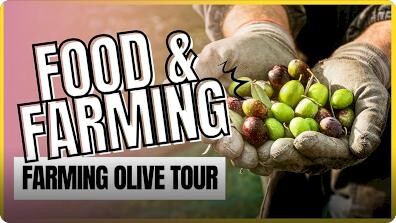
Food and Farming: Farming Olives
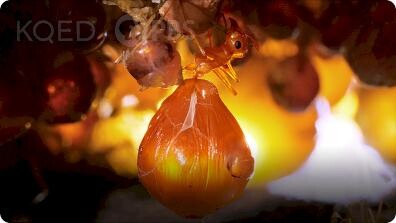
Deep Look: Honeypot Ants Turn Their Big Sisters into Jugs of Nectar
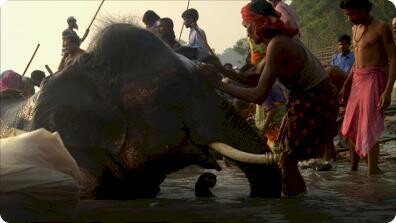
Hidden India: Life on the Ganges
I Love: Pipes
I Love: Nature Walks
Demystified: Do Fossil Fuels Really Come from Fossils?
All TopicsScience Nature
All AgesAge 0-2Age 3Age 4Age 5Age 6Age 7Age 8Age 9Age 10Age 11Age 12
All FormatsVideos

Videos

Jonathan Bird's Blue World: Great White Shark Adventure!A Tour of Aquarius Reef BaseI'm a DaspletosaurusI'm a Chimpanzee5 Facts About BABOONS You'll Go Bananas For | 5 FACTSBats for Kids | All About Bats | Bats: The Creatures of The Night

Help your child grow through reading

Did you know?

  • The water cycle moves water through the environment.
  • Gravity is the force that pulls objects toward Earth.
  • The Sun provides energy that supports life on Earth.
  • An adaptation is a trait or behavior that helps an organism survive and reproduce in its environment.
  • Wild animals depend on habitat features such as food, water, shelter and space.
  • Digital field guides can combine photographs, range maps and sound clips to support species identification.
  • Many animals use calls to attract mates, warn of danger, defend territory or maintain contact with a group.
  • A soundscape combines natural sounds to create an audible picture of a place.
  • Nocturnal species may rely heavily on hearing because they are active when light is limited.
  • Repeated animal words and sound patterns can strengthen fluency and vocabulary recognition.
  • Illustrations provide visual evidence about size, movement, camouflage and setting.
  • Comparing a narrated sentence with its picture helps readers combine information from two sources.
  • Slow-motion footage can reveal movements that happen too quickly for the unaided eye to study closely.
  • Camera traps record wildlife with minimal human presence and can document elusive or nocturnal species.
  • Animation can model invisible processes, but viewers should recognize when an image is a reconstruction rather than direct footage.

How to make the most of Epic

For Parents
  • Use these stories to introduce scientific observation and discovery.
  • Encourage children to connect the story to examples found in nature.
For Educators
  • Incorporate these books into lessons about ecosystems, weather or life science.
  • Draw a picture of a plant, animal or natural process from the story.

FAQ

Science & nature videos are a good fit for kids because they can show processes and phenomena that are difficult to observe firsthand. Watching a plant grow, a storm form or an animal hunt helps make abstract ideas easier to understand. The visual format brings scientific concepts to life.

When selecting science & nature videos, look for accurate information and age-appropriate explanations. Strong videos focus on observation, evidence and understanding rather than sensational facts. Clear visuals and thoughtful narration can help children stay engaged while learning.

Kids can learn how natural systems work, how living things interact and how scientific discoveries are made through science & nature videos. Many also introduce concepts such as adaptation, ecosystems and change over time. These topics help children develop a stronger understanding of the world and their place within it.

Selections may feature familiar mammals, birds, reptiles, ocean animals, rare species or completely invented beings. This mix lets readers explore natural diversity while enjoying imaginative adventures.

Detailed images, maps and searchable pages invite children to notice body structures, tracks, movement and habitat clues. Recording those observations before reading captions encourages evidence-based inference.

Readers can label statements supported by photographs or factual notes and mark details created for the story. Checking a trusted animal reference then clarifies which traits exist in nature.

Without relying on pictures, listeners construct settings and creatures from descriptive language, rhythm and effects. This mental visualization supports comprehension and makes imagined worlds feel immediate.

Audio stories can introduce communication, camouflage, territory, migration and predator-prey interactions. Authentic recordings make it possible to compare species and habitats by ear.

Listeners can predict a creature from sound clues, keep a habitat sketch or retell one scene using their own effects. These short tasks preserve the flow of listening while checking understanding.

Synchronized audio lets children hear fluent phrasing while following the printed words. Repetition, predictable action and bold pictures make new animal vocabulary easier to decode and remember.

Narration supplies pronunciation, mood and pace, while pictures reveal physical traits and spatial details. Comparing them teaches readers to integrate evidence instead of depending on only one mode.

Children can match creature cards to habitats, act out movement verbs or assemble a simple story sequence. The best activity reuses vocabulary from the book and asks for observable evidence.

Movement, close-up footage and natural sound reveal behaviors that still images cannot show. Clear narration can connect a dramatic encounter with scientific ideas about survival, adaptation and ecosystems.

Viewers can look for labels, source credits and explanations of how each scene was produced. Comparing claims with reputable wildlife references helps separate documented behavior from dramatization.

Ask what the animal was doing, which evidence supports that interpretation and how the habitat shaped the action. A final question about human impact connects observation with conservation thinking.

Unlock the world's largest digital library for kids

Ready to supercharge your child's reading journey? Sign up now for access to 40,000+ popular books, videos and audiobooks.

Try Epic for Free